
Indian chemical manufacturers are undertaking the sector's largest-ever systems overhaul to support rapid expansion and remain competitive. From ERP and MES rollouts to LIMS and Historian upgrades, these technologies are replacing manual workflows with much-needed discipline.
The sheer scale of these implementations has planted a hesitation in the boardroom. A common belief has taken root among leadership: “We must wait for our systems to stabilize before we start with analytics-driven cross-functional visibility.”
It is one of the most expensive assumptions a chemical company can make—pausing innovation in the name of stability.

The chemical business is dynamic by nature. New plants, expansions, new markets/geographies, stricter regulations, evolving logistics, and M&A activities are constant realities. Your IT/OT ecosystem will always be in a perpetual state of change, making system stability a moving target.
These systems are never truly ‘finished’. If analytics waits for stability, it never begins. The financial cost of 'not doing' continues to pile up.
Delaying analytics until systems are "perfect" incurs a massive opportunity cost. You aren't just losing immediate insights; you are delaying the very feedback loop needed to fix your infrastructure.
Imperfect data is not a roadblock—it is a signal. It reveals exactly where sensors are drifting, manual entry is failing, or data and/or context is missing. Beyond data hygiene, it exposes where operational logic is bleeding value—be it unrealistic SAP cycle times, hidden QC bottlenecks, or MES rules that diverge from reality. This immediate feedback allows leadership to start prioritizing IT/OT investments based on reality. Instead of a blanket system overhaul, stakeholders can target the specific revamps and data hygiene projects that drive the fastest operational value.
This focused approach directs capital where it is needed most, optimizing investment by up to 50%. More importantly, it secures a 10%-15% EBITDA advantage years sooner than the traditional "wait until we are perfect" approach.
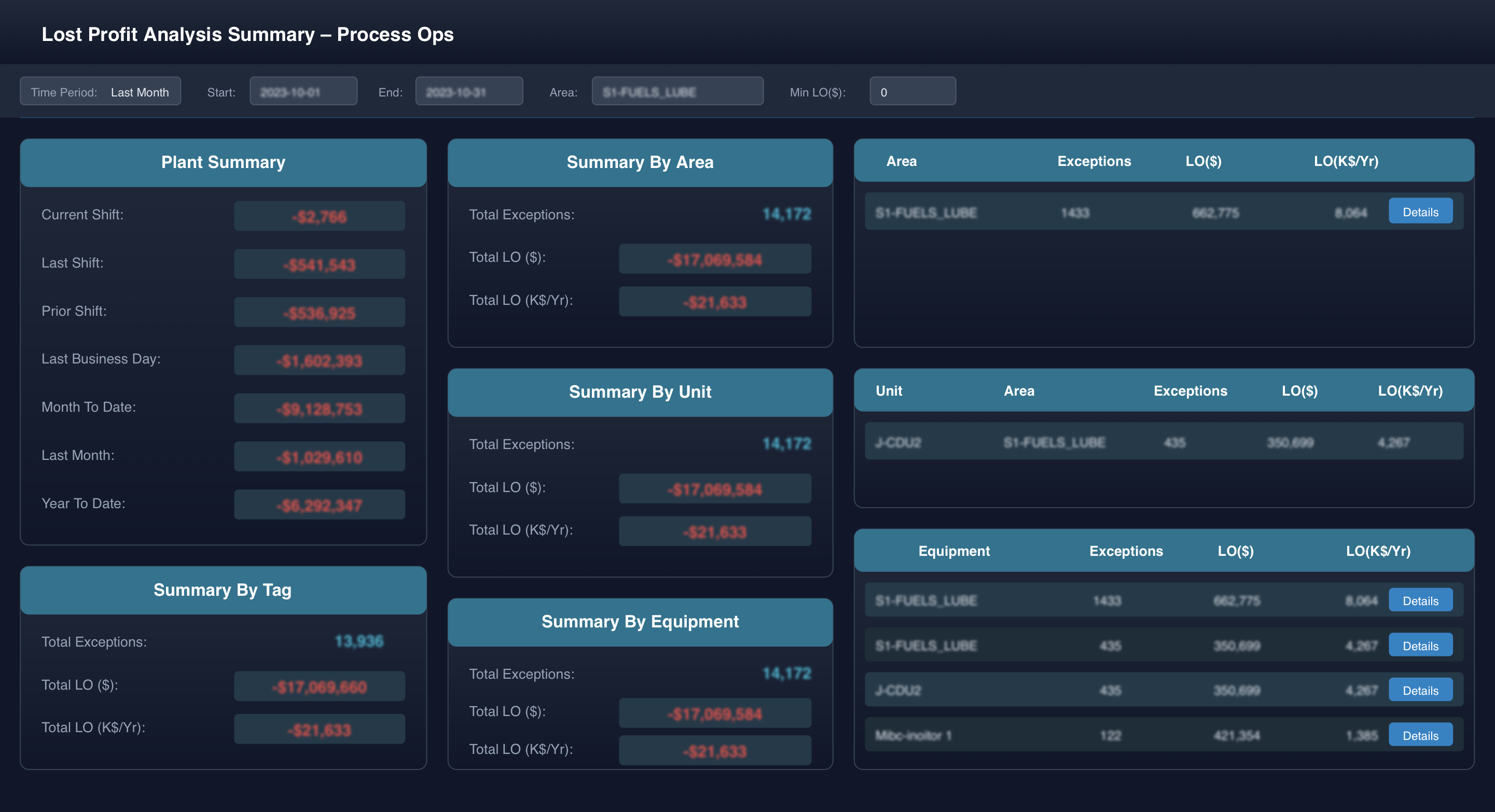
We advise our customers to adopt a pragmatic approach:
System investments must continue, but they cannot be used as a gate for analytics. If analytics waits, the organisation loses visibility during the exact years when it needs it most—when plants are expanding and complexity is rising.


